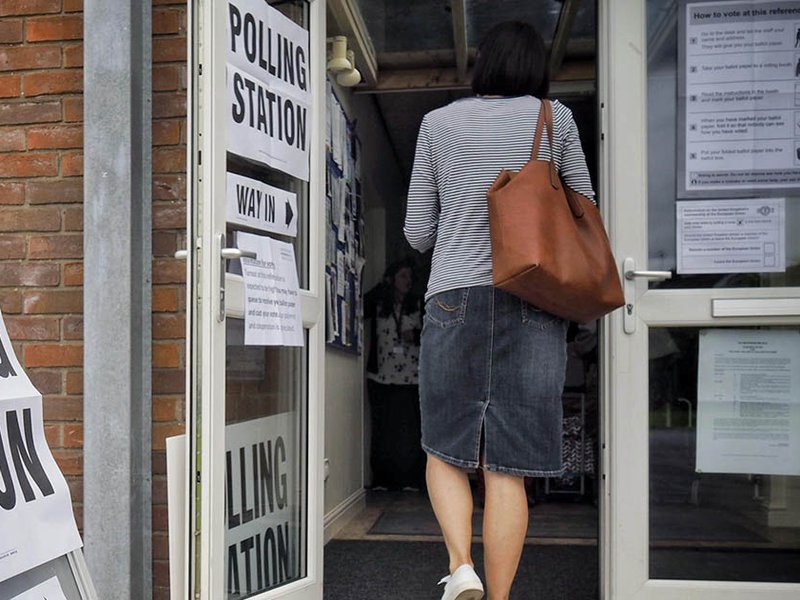
What do the EU election results tell us about public support for leave and remain?
We should be wary of directly translating the EU election results into a poll on public support for leave or remain. Read
We do fact checks and explain news from Europe and the UK's links with it, so you can understand the big stories.
We should be wary of directly translating the EU election results into a poll on public support for leave or remain. Read
Europe
A third of votes at the 2019 EU parliamentary elections were cast for parties that support a no deal Brexit. But turnout was relatively low compared to other types of public vote. Read
The EU is not rolling out its own police force in the UK as part of its PESCO strategy. Read
The government has already spent money preparing for it, and it may reduce economic performance in the long term. Read
More people voted to leave the EU in 2016 than have voted for any other single electoral option in British political history. But that’s not the only way to define “largest democratic vote”. Read
As of 2018, the most common retirement age for men and women in the EU was 65. In some countries, women can retire as early as 60. Read
The next EU budget is being planned to exclude the UK, and we also don’t know for sure what would happen to the UK’s rebate if it stayed in the EU. Read
Europe
Polls suggesting 61% of people would back remain in a second referendum are probably overstating the lead. Read
Europe
The UK cannot be forced to join the euro if it remains a member of the EU. The EU could apply political pressure on the UK to do so, but this is highly unlikely in the current political context. Read
Europe
Even if the UK is still in the EU next year, the Lisbon treaty does not force it to adopt the Euro. The UK has an opt-out from this. Read
Fact checking claims made by politicians, public figures and viral online content can give you the full picture backed by the evidence.
Subscribe to weekly email newsletters from Full Fact for updates on politics, immigration, health and more. Our fact checks are free to read but not to produce, so you will also get occasional emails about fundraising and other ways you can help. You can unsubscribe at any time. For more information about how we use your data see our Privacy Policy.